The transatlantic arc
Most family histories in the New World run the same shape: a family here, a crossing that brought them, and an origin they left behind. We trace that journey the way we build everything else — from public, downloadable records, every claim sourced and every uncertainty named. Eight stops, in order:
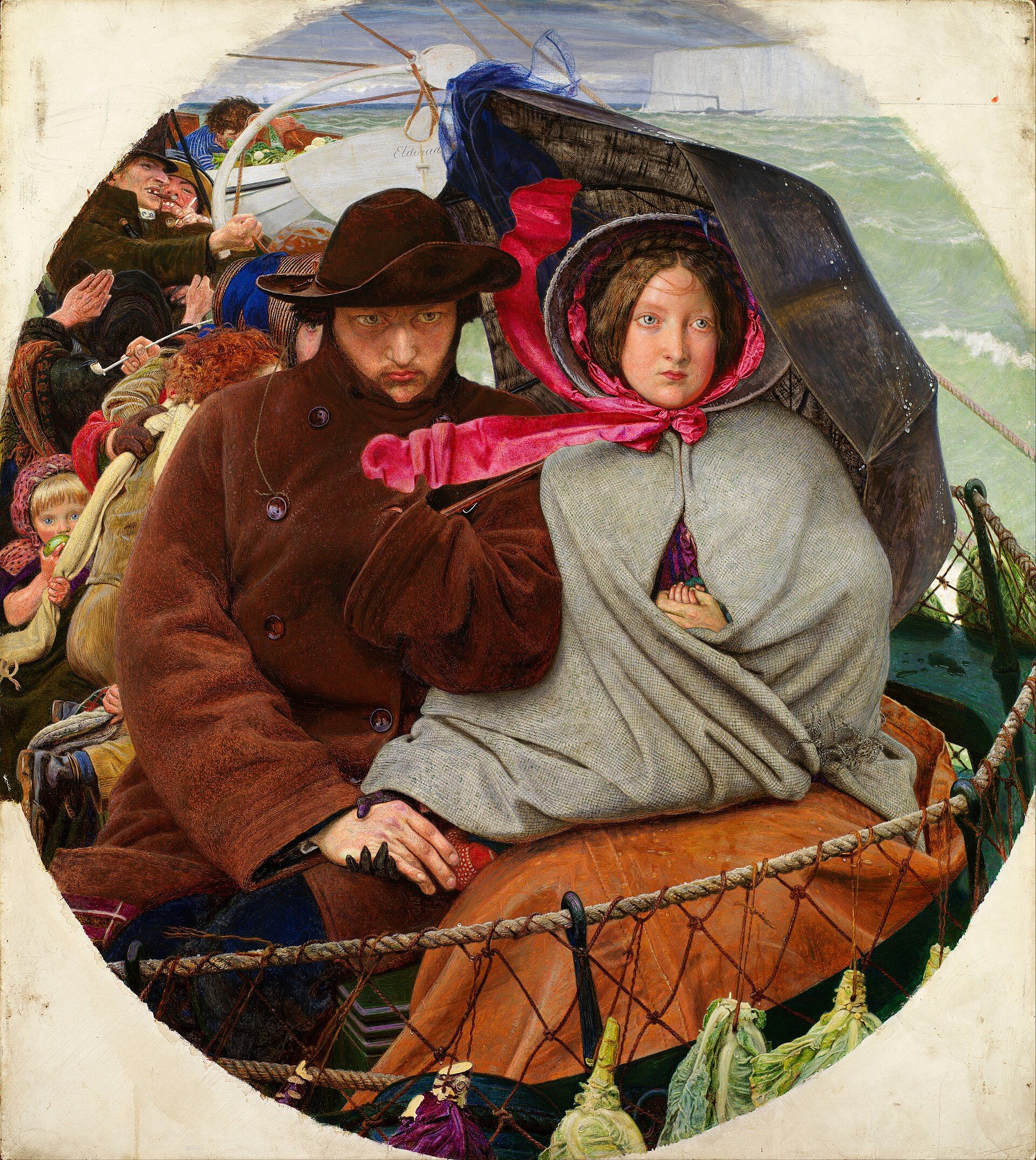
Act I · America — the family, here
- Scottish clan surnames in America How many Americans bear each clan surname today (2010 Census) — and why a common name is naming history, not descent.
- The first settlers of New England Savage’s Dictionary (1860): 25,000 settlers, the largest families, their ships and the English towns they left.
Act II · The crossing
- The crossing Hotten’s Original Lists (1874): most went to Virginia and the sugar islands, not New England — and they went young.
Act III · The old country
- The old country The Bremen dataset (735,545 records): the German and Central-European regions the emigrants left — and the decades the record forgot.
- Locating the old country The home towns resolved against GeoNames and mapped — and the towns (Breslau, Danzig, Königsberg) whose country has since changed.
- The people on the boat The person-level side: 735,000 named emigrants, and the families reconstructed from a flat manifest.
Act IV · Can the records be open?
- The open archive — Estonia A genuinely open national archive (11M CC0 records), where the barrier is not licensing but transcription.
- The open name index — Netherlands The thing everyone else gates: an open, CC0, person-level name index of ~370M mentions.
- The wall varies by country: the anglophone index is proprietary, Estonia’s names are locked in handwriting, Poland has no dataset — and the Netherlands gives the names away.